Selecting the Right Leather for Your Project
Why Leather Selection Matters
Choosing the right leather is one of the most important decisions in any leatherworking project. Whether you’re crafting a wallet, designing a leather jacket, sewing a pair of gloves, or making a custom handbag, the leather you select determines the product’s appearance, durability, flexibility, and lifespan. Every type of leather behaves differently. Some leathers are firm enough for carving and tooling, while others are soft and flexible for garments or gloves. Understanding these characteristics before you begin can save time, reduce material waste, and help you create professional-quality leather products.
Understanding What Leather Really Is
Leather is a natural material produced by tanning animal hides to preserve their strength and flexibility. Unlike synthetic materials, genuine leather contains a complex network of natural fibers that provides exceptional durability while allowing it to age beautifully over time. One of leather’s most distinctive qualities is its ability to develop a unique patina. Rather than wearing out, quality leather becomes richer in color and character with regular use.
Natural Structure of Leathers
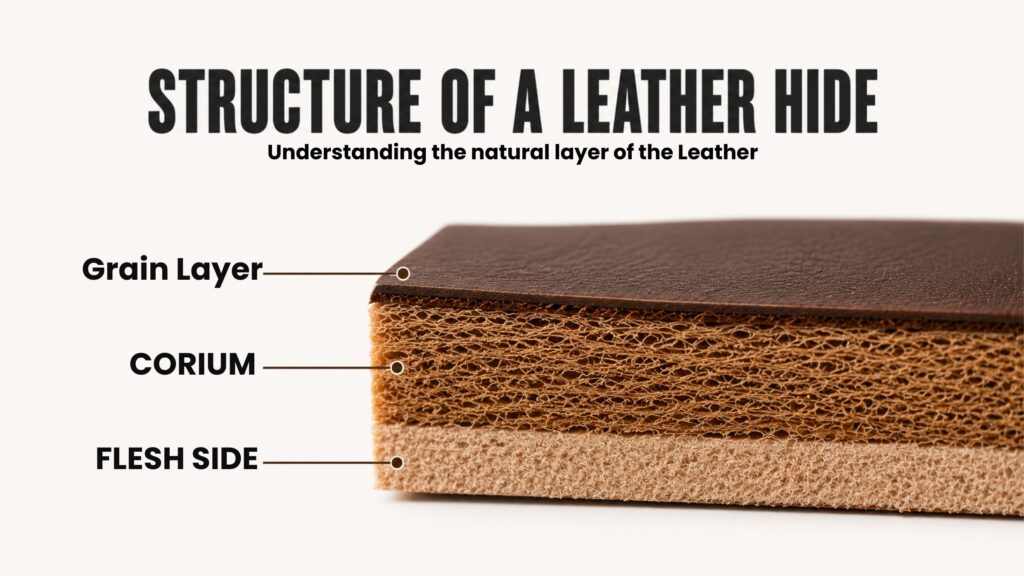
Leather consists of densely packed collagen fibers. The strongest fibers are found in the outer grain layer, while the inner layers are softer and less dense. This natural structure explains why some leather types are more durable than others.
Why Every Hide Is Unique
No two hides are exactly alike. Natural wrinkles, scars, stretch marks, insect bites, and variations in grain create individuality. These natural markings are not defects—they are evidence of authentic leather.
The Different Types of Leather
Understanding leather classifications helps you choose the best material for your project.
Full-Grain Leather
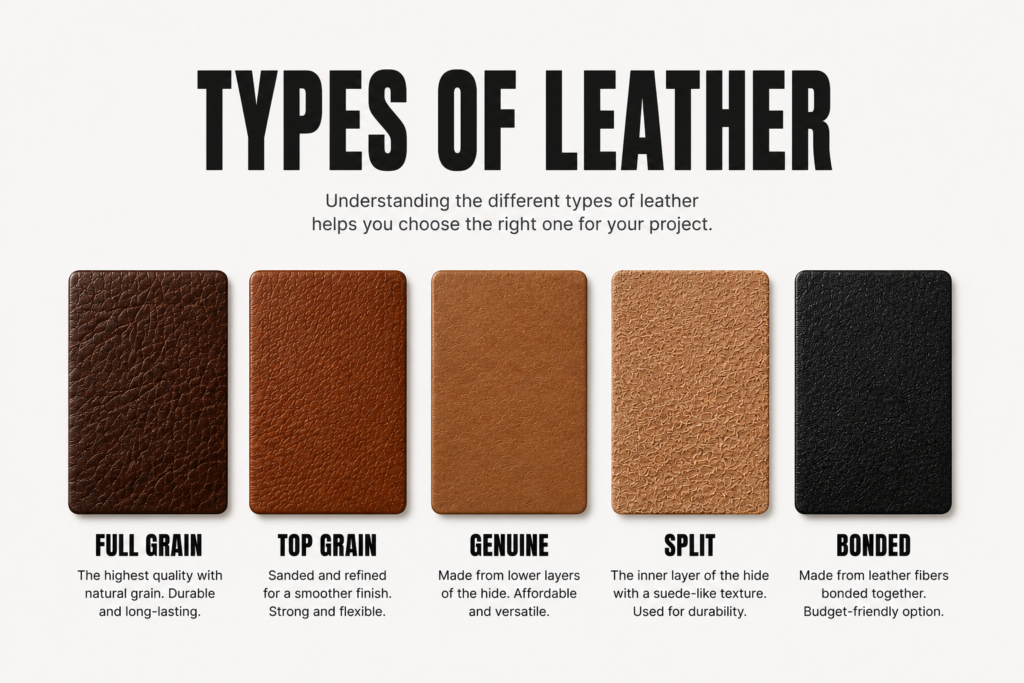
Full-grain leather is considered the highest quality available. It retains the original grain without sanding or buffing, preserving the strongest fibers of the hide.
Benefits
- Maximum durability
- Excellent strength
- Natural appearance
- Develops a beautiful patina
- Long lifespan
Best for:
- Premium wallets
- Belts
- Luxury bags
- Boots
- High-end furniture
Top-Grain Leather
Top-grain leather is lightly sanded to remove surface imperfections while maintaining excellent durability.
Advantages
- Smooth texture
- Uniform appearance
- Softer feel
- Easier maintenance
- Premium finish
Best for handbags, upholstery, fashion accessories, and footwear.
Genuine Leather
Despite the name, genuine leather is a lower grade than full-grain and top-grain leather. It is made from the remaining layers after the premium grain has been removed.It is commonly used for budget-friendly accessories where cost is more important than longevity.
Split Leather
Split leather comes from the lower layers of the hide after the grain has been separated.
Characteristics include:
- Soft texture
- Lower durability
- Frequently used to produce suede
- More affordable
Bonded Leather
Bonded leather consists of shredded leather fibers combined with adhesives and finished with a polyurethane coating.Although inexpensive, it lacks the durability, aging characteristics, and premium appearance of natural leather.
Understanding Leather Tanning
The tanning process determines how leather feels, performs, and ages.
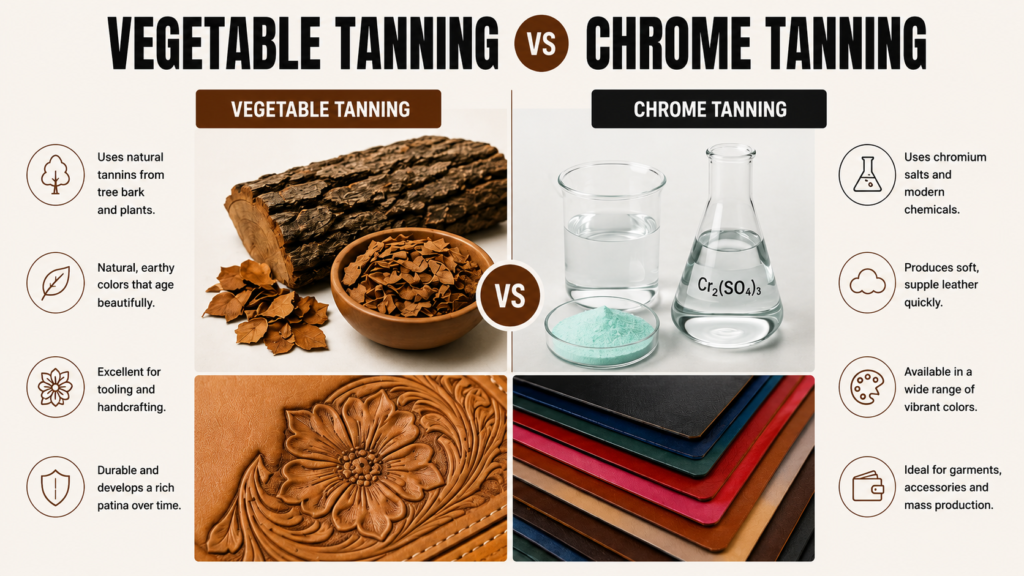
Vegetable-Tanned Leather
Vegetable tanning uses natural tannins extracted from bark, leaves, and plants.
Characteristics include:
- Firm structure
- Excellent for carving and tooling
- Accepts dye well
- Develops rich patina
- Environmentally friendly
Best applications include:
- Wallets
- Belts
- Holsters
- Knife sheaths
- Leathercraft projects
Chrome-Tanned Leather
Chrome tanning uses chromium salts, producing soft and flexible leather.
Advantages include:
- Soft texture
- Water resistance
- Bright color options
- Greater flexibility
- Faster manufacturing
Ideal for:
- Leather jackets
- Gloves
- Shoes
- Handbags
- Upholstery
Combination-Tanned Leather
Combination tanning combines vegetable and chrome tanning methods.
This produces leather that offers:
- Moderate firmness
- Good flexibility
- Enhanced durability
- Versatility
Common uses include handbags, footwear, travel accessories, and premium leather goods.
Understanding Leather Grades
Leather grades indicate how much of the original grain remains intact.
| Grade | Quality | Best Used For |
| Full-Grain | Premium | Luxury goods, belts, wallets |
| Top-Grain | High | Bags, upholstery, shoes |
| Genuine | Medium | Fashion accessories |
| Split | Budget | Suede products, work gloves |
| Bonded | Lowest | Decorative items |
Leather Thickness Explained
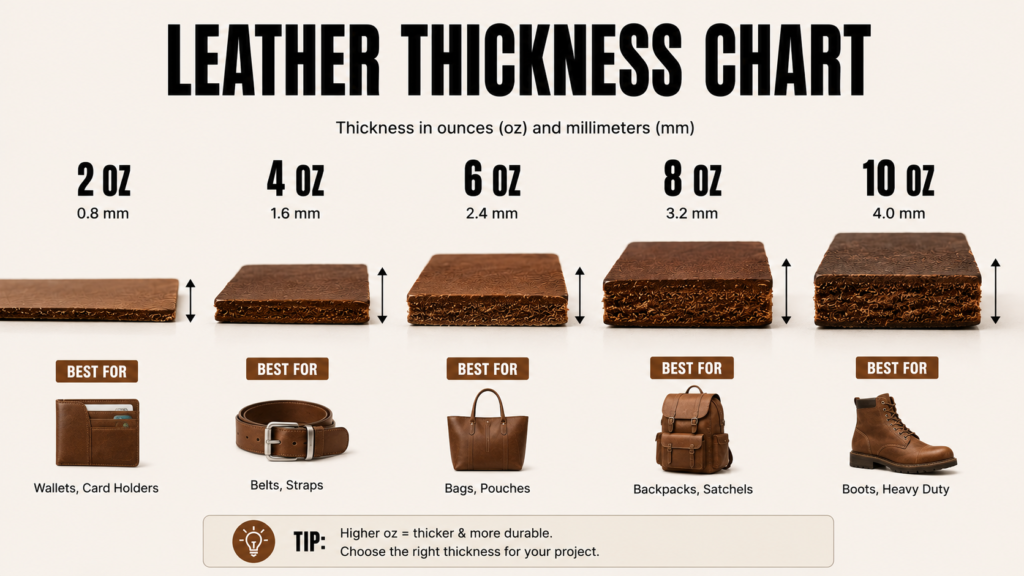
Leather thickness significantly influences strength, flexibility, and ease of construction. Leather is commonly measured in ounces (oz) or millimeters (mm).
| Thickness | Typical Uses |
| 2–3 oz (0.8–1.2 mm) | Gloves, garment leather, linings, keychains |
| 4–5 oz (1.6–2.0 mm) | Wallets, notebook covers, pouches |
| 6–8 oz (2.4–3.2 mm) | Belts, handbags, straps |
| 9 oz+ (3.6 mm+) | Saddles, armor, heavy-duty gear |
Selecting the correct leather weight ensures your finished project has the right balance of structure, flexibility, and durability.
Leather Temper: Soft vs. Firm
Temper refers to the stiffness of leather.
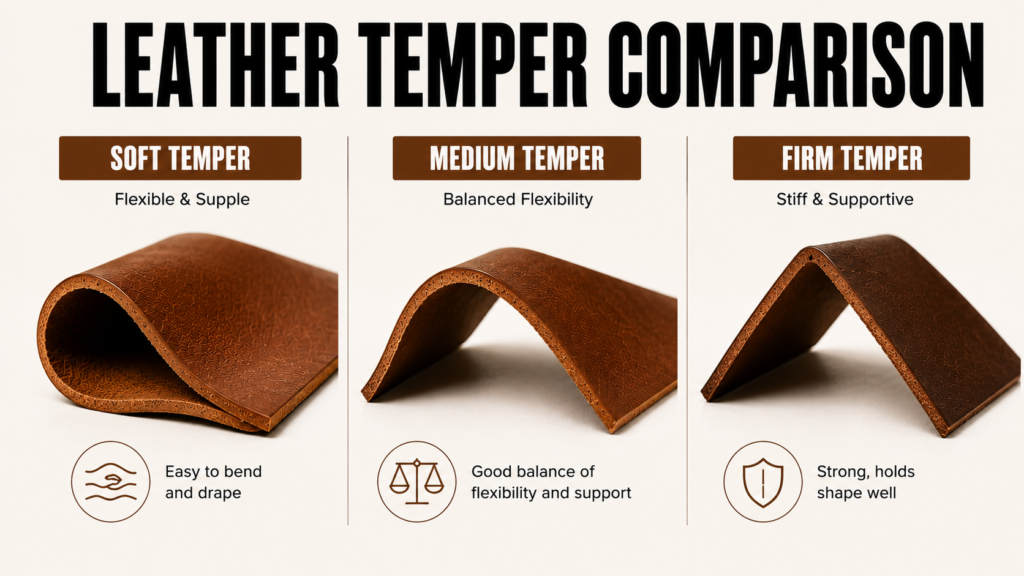
Soft Temper
Perfect for:
- Jackets
- Gloves
- Garments
- Soft handbags
Medium Temper
Suitable for:
- Wallets
- Tote bags
- Backpacks
- Small leather goods
Firm Temper
Best for:
- Belts
- Tooling leather
- Structured bags
- Holsters
Choosing Leather Based on Your Project
Selecting leather according to your project’s purpose improves both appearance and performance.
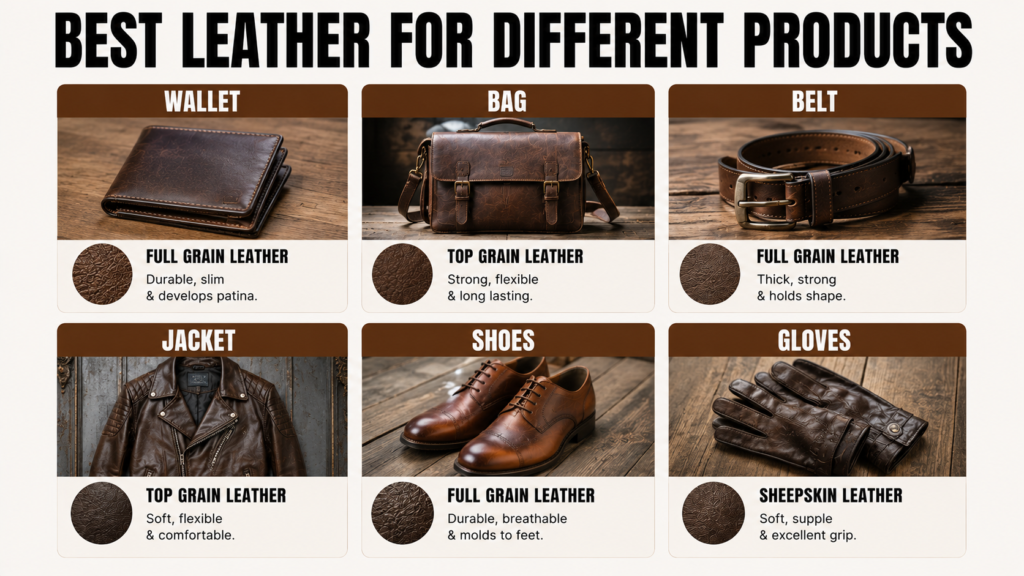
Wallets
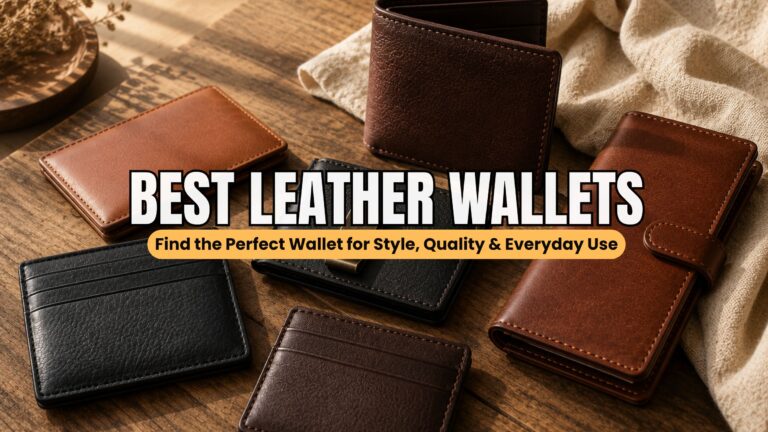
Choose thin, flexible full-grain or top-grain leather between 1.2 and 1.6 mm.
Belts
Use vegetable-tanned full-grain leather between 3.5 and 4.5 mm for maximum durability.
Handbags
Medium-temper leather with good scratch resistance works best. Full-grain and top-grain leather are both excellent choices.
Jackets
Chrome-tanned lambskin, goatskin, and cowhide provide comfort, flexibility, and long-lasting performance.
Gloves
Soft goatskin, sheepskin, deer leather, and premium cowhide offer excellent dexterity while maintaining durability.
Shoes
Select leather that balances flexibility with abrasion resistance and breathability.
Furniture
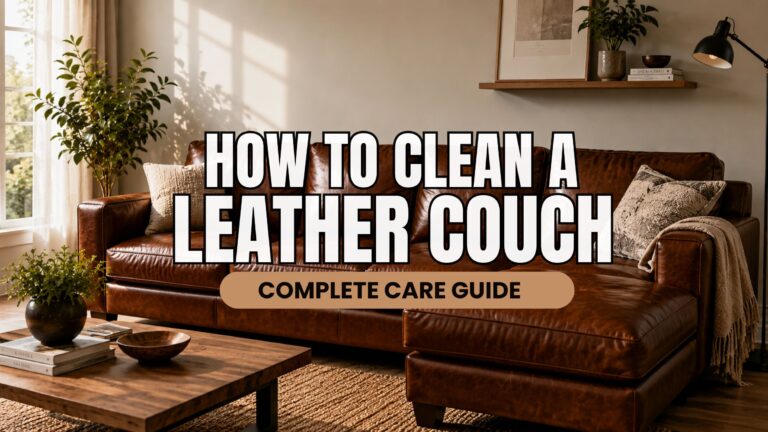
Top-grain leather with a pigmented finish provides excellent resistance to everyday wear.
Leathercraft Projects
Vegetable-tanned leather is the preferred choice for stamping, carving, embossing, and custom dyeing.
Leather Grain and Surface Finish
Leather grain affects both durability and appearance.
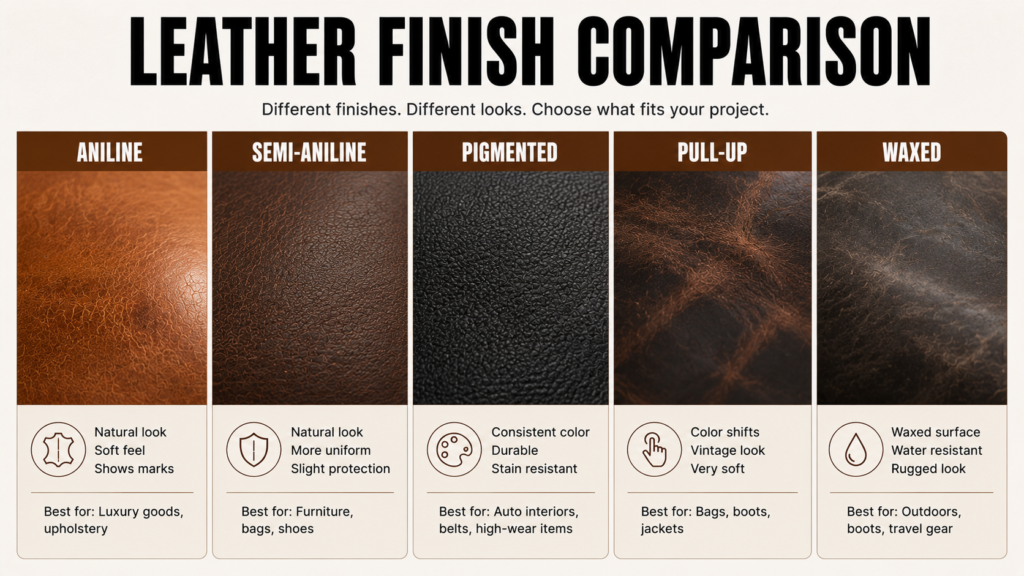
Popular finishes include:
- Aniline leather
- Semi-aniline leather
- Pigmented leather
- Waxed leather
- Oiled leather
- Pull-up leather
Each finish offers different levels of protection, softness, and visual appeal.
Grain Patterns and Embossed Leather
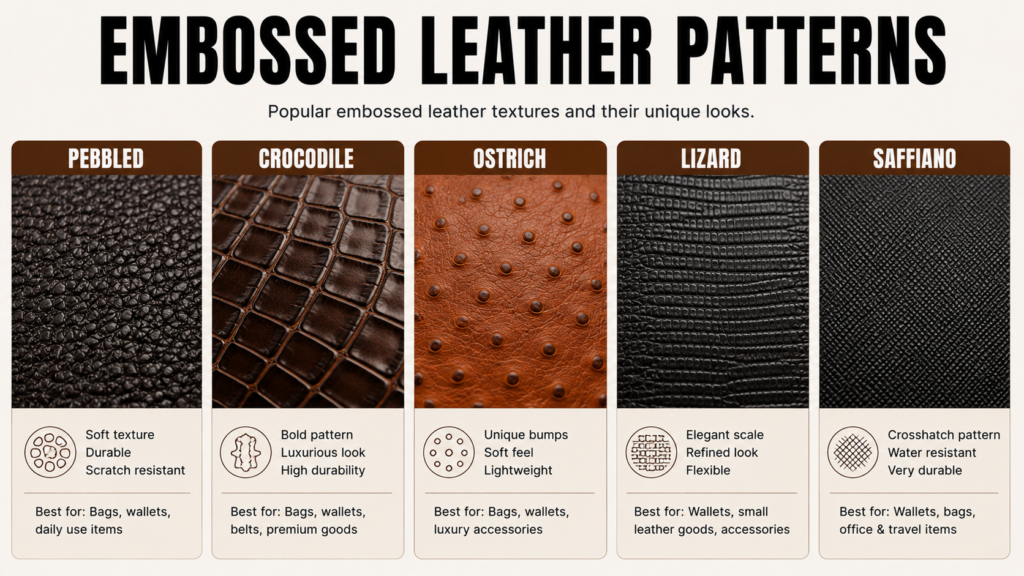
Manufacturers sometimes emboss leather with decorative textures, including:
- Pebbled
- Crocodile
- Ostrich
- Lizard
- Saffiano
Embossing adds visual interest while helping conceal minor surface imperfections.
Choosing the Right Leather Color
Leather color influences style, maintenance, and aging.
Classic colors include:
- Black
- Brown
- Tan
- Cognac
Modern colors include:
- Burgundy
- White
- Navy
- Green
- Red
Natural vegetable-tanned leather darkens over time, creating a distinctive patina.
Durability and Wear Resistance
The lifespan of leather depends on several factors:
- Leather grade
- Fiber density
- Tanning process
- Surface finish
- Proper maintenance
Full-grain leather consistently provides the highest level of durability.
Water Resistance Considerations
Leather naturally resists small amounts of moisture but is not waterproof.
Waxed, oiled, and chrome-tanned leathers generally offer better water resistance than untreated vegetable-tanned leather. Applying a quality leather conditioner or waterproofing treatment can further improve protection.
Sustainability and Ethical Sourcing
Responsibly sourced leather supports more sustainable manufacturing practices.When purchasing leather, consider suppliers that prioritize:
- Certified tanneries
- Responsible sourcing
- Water conservation
- Reduced chemical usage
- Ethical production methods
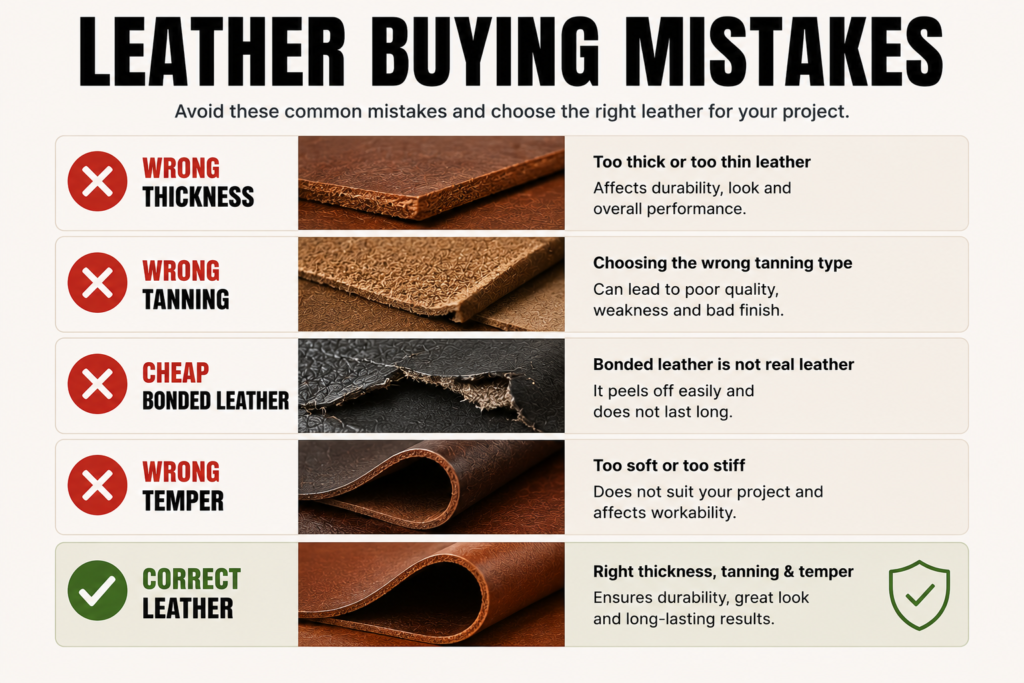
Common Mistakes When Choosing Leather
Avoid these common beginner mistakes:
- Choosing leather based only on appearance
- Ignoring thickness requirements
- Using soft leather for structured projects
- Buying bonded leather expecting premium durability
- Forgetting to consider the tanning method
- Not ordering sample pieces before purchasing large hides
How to Test Leather Before Buying
If possible, inspect leather before committing to a full hide.
Look for:
- Consistent grain quality
- Even color
- Natural flexibility
- Clean edges
- Minimal loose fibers
- Pleasant natural leather aroma
Testing sample swatches helps you understand how the leather cuts, stitches, burnishes, and finishes.
Budget Considerations
Higher-quality leather typically costs more upfront but offers better value over time.
Premium leather provides:
- Longer lifespan
- Better appearance
- Easier repair
- Higher customer satisfaction
- Improved resale value
Investing in quality leather often reduces replacement costs in the long run.
Leather Care After Purchase
Proper maintenance extends the life of every leather product.
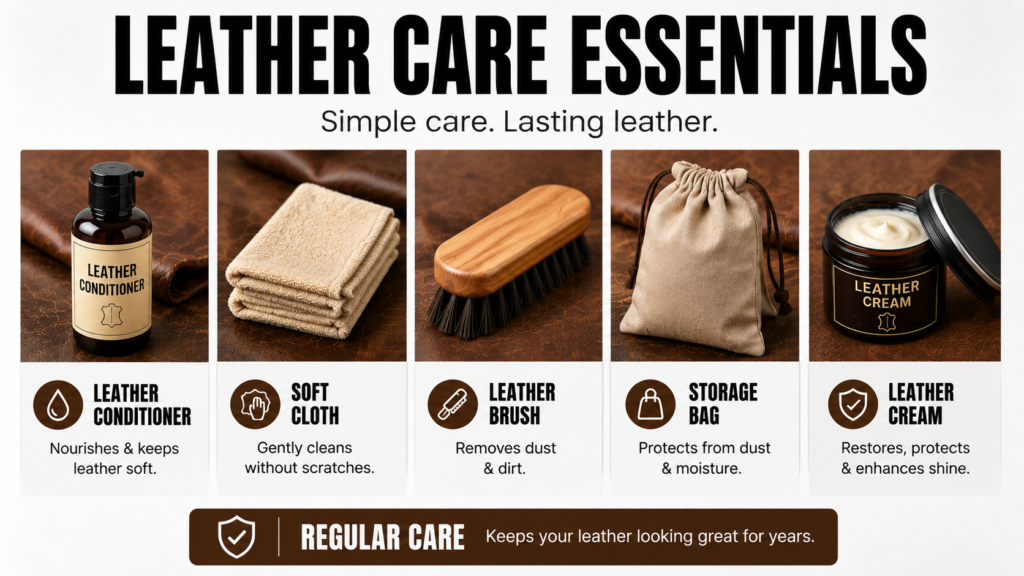
Best practices include:
- Clean with leather-specific products
- Condition regularly
- Store in a cool, dry place
- Keep away from direct sunlight
- Avoid prolonged moisture exposure
- Use dust bags for storage when appropriate
Regular care preserves softness, prevents cracking, and enhances the leather’s natural beauty.
Beginner’s Leather Buying Checklist
Before purchasing leather, ask yourself:
- What type of project am I making?
- Does the leather need to be soft or firm?
- What thickness is appropriate?
- Will I be carving or tooling the leather?
- Is water resistance important?
- What finish best suits my design?
- Does my budget allow for premium leather?
- Should I order a sample before buying a full hide?
Answering these questions helps ensure you choose the right leather for both your project and skill level.
Frequently Asked Questions About Leather Selection
Which leather is best for beginners?
Vegetable-tanned leather is an excellent choice for beginners because it is easy to cut, stamp, tool, and dye.
Is full-grain leather always the best option?
Full-grain leather offers exceptional durability and develops a beautiful patina, but top-grain leather may be a better choice when a softer feel or more uniform appearance is desired.
Which leather is best for jackets?
Chrome-tanned lambskin, goatskin, and cowhide are widely used for jackets due to their comfort, flexibility, and durability.
Can leather get wet?
Leather can tolerate light moisture, but prolonged exposure to water may cause staining, stiffness, or damage. Protective treatments can improve water resistance.
Why is leather thickness important?
Leather thickness affects strength, flexibility, weight, and ease of construction. Choosing the correct thickness ensures your finished project performs as intended.
Final Thoughts: Finding the Perfect Leather for Every Project
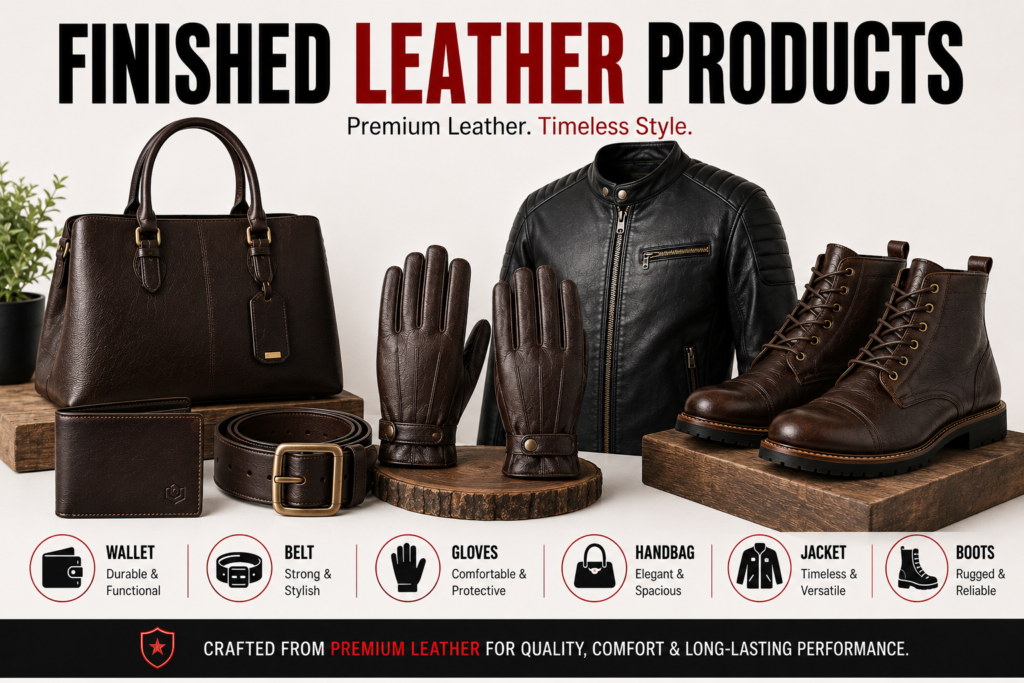
Selecting the right leather involves more than choosing a color or texture. Leather type, tanning method, thickness, temper, grain, finish, and intended use all influence the quality and performance of the finished product. By understanding these characteristics and matching them to the specific needs of your project, you can create leather goods that are durable, functional, and visually appealing. Whether you’re making a handcrafted wallet, a premium leather jacket, a sturdy belt, or a pair of comfortable gloves, investing time in choosing the right leather will result in craftsmanship that stands the test of time.